- Nutrition made easy by Paolo Lamparelli
- Posts
- Issue no. 106:💪 Muscle matters: How strength and energy shape healthy ageing
Issue no. 106:💪 Muscle matters: How strength and energy shape healthy ageing

Paolo Lamparelli
November 14, 2025
Reading time: 3 minutes
Welcome to Nutrition Made Easy!
🍵Grab a cuppa and settle in, let's debunk diet myths and simplify nutrition science so you are empowered to make smarter health choices.
This week’s articles:
🦵 Muscle loss is not uniform with age and this is why
🔋 How your muscles handle energy, and why it matters
🛑 What happens to your muscles when energy runs low?
🦵 Muscle loss is not uniform with age and this is why
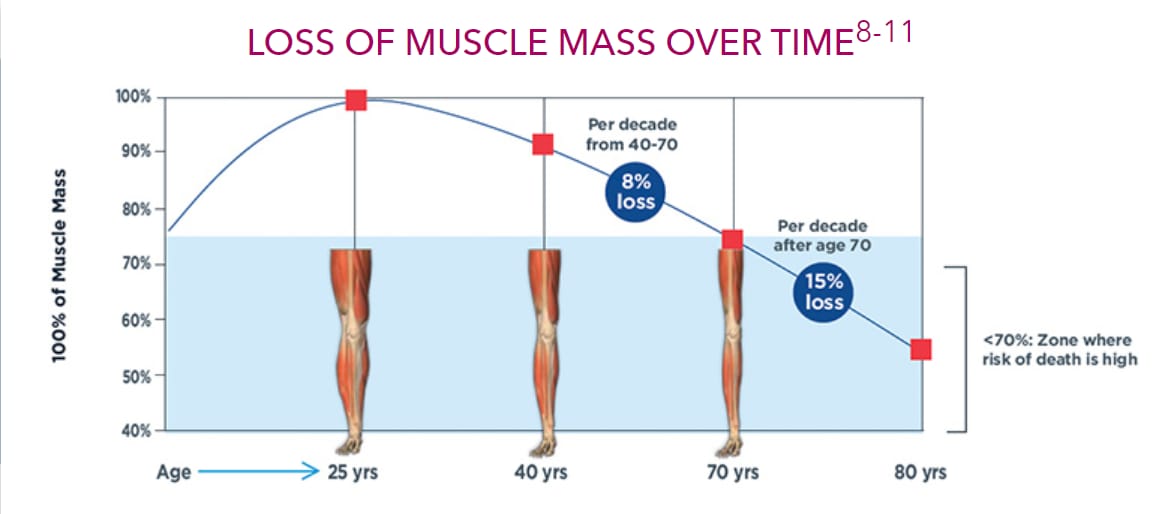
Ageing doesn’t weaken all muscles equally.
Research shows the biggest declines happen in:
Lower-body movers (your thighs and glutes)
Stabilisers (small muscles around your hips and core that keep you steady)
Why these? Because modern life makes them ‘lazy’.
With sitting more and moving less, these muscles don’t get the work they need.
And when they weaken, balance suffers, falls become more likely, and independence can slip away.
The good news? You can fight back.
Here’s how:
Prioritise lower-body strength (think squats and lunges)
Add single-leg moves for balance
Don’t forget the ‘little guys’: hip and core stabilisers matter
Any strength training helps, but smart strength training targets the muscles most vulnerable to ageing and inactivity.
Use them, or lose them; it’s that simple.
🥊 Summary
Strong legs and hips aren’t just for athletes. They’re your foundation for everyday life, from climbing stairs to staying steady on your feet. Protect them, and you protect your independence.
🔋 How your muscles handle energy, and why it matters
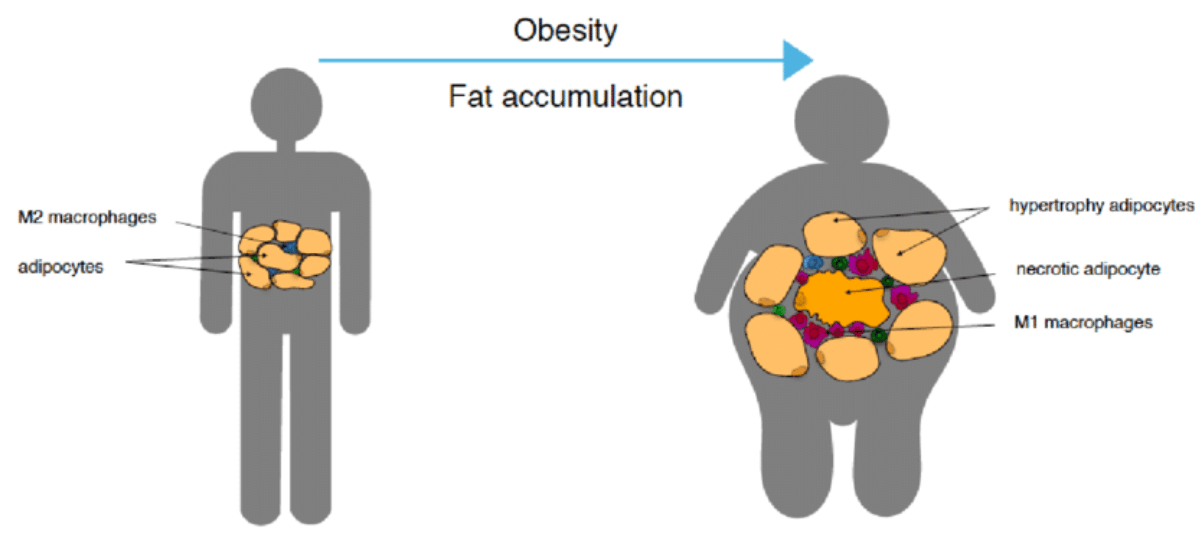
Muscles aren’t just for movement
They’re one of your body’s biggest energy regulators.
But here’s the catch: how your muscles are built determines whether they burn energy or store it.
Research comparing muscle from lean and obese individuals shows striking differences:
Lean muscle: The energy burner
Packed with type I oxidative fibres – slow-twitch fibres rich in mitochondria (your cell’s power plants).
These fibres excel at burning fat and glucose for fuel.
High levels of GLUT4 transporters keep blood sugar in check and maintain insulin sensitivity.
Result? Efficient energy use and steady endurance.
Obese muscle: The energy storer
Fewer oxidative fibres, more type II glycolytic fibres – fast-twitch fibres that fatigue quickly.
Lower mitochondrial content means poor fat oxidation.
Decline in GLUT4 reduces glucose uptake.
Fat droplets accumulate inside muscle tissue, disrupting metabolism.
Outcome? Inefficient fuel use, insulin resistance, and higher risk of metabolic and heart disease.
Your muscles are far from passive; they are metabolic engines.
The muscle fibre makeup reflects your lifestyle, diet, and activity levels.
The good news? Exercise can flip the switch
Training boosts oxidative fibres and mitochondrial density, turning muscle back into a fat-burning, glucose-regulating powerhouse
🥊 Summary
Move more, lift smart, and your muscles will work for you, not against you.
🛑 What happens to your muscles when energy runs low?

Here’s something fascinating:
Even when the body shows clear signs of conserving energy — lower levels of leptin, IGF-1, and T3 (all markers of energy deficit) — your muscles don’t just “switch off.”
Instead, they adapt in two surprising ways:
They become more energy-efficient
Muscle fibres shift toward a more oxidative profile, meaning they’re better at using oxygen for fuel.
There is an increased production of mitochondrial proteins — the tiny power plants inside cells — involved in energy pathways like β-oxidation, the Krebs cycle, and the electron transport chain.
They remodel their support structure
Proteins in the extracellular matrix (ECM), including collagen, were reduced.
Why does that matter? Because similar patterns have been linked to less age-related stiffness and fibrosis in animal studies.
This is the first observation in humans.
🥊 Summary
Rather than shutting down, muscle seems to prepare for more energy use when exercise is combined with an energy deficit. In fact, these changes may make muscle more oxidative( and possibly more “youthful”).
And finally!
🌟If you want tailored nutrition and lifestyle plans, you can apply for 1-on-1 sessions with me here
🌟If you enjoy the free education and are keen to support, consider buying me a coffee here
To your health!
Hungry for more reading?
Why not read the most read articles?
Reply